
Animal Welfare
Continuity of care at scale
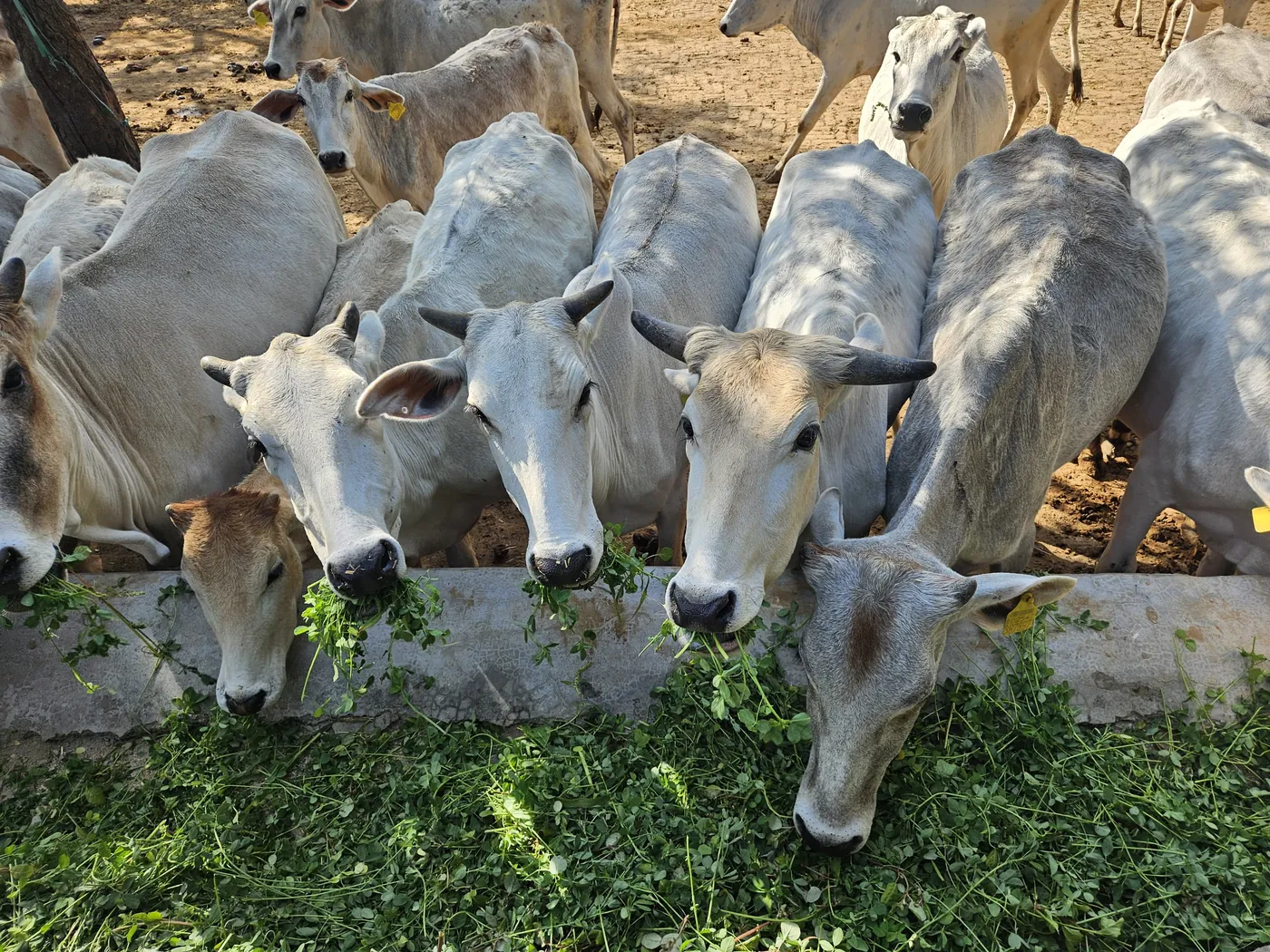
Our Gaushala work centres on shelter, feed, veterinary attention and the daily systems required to care for 4,700+ cattle.
4,000+ cows • 500+ bulls • 200+ calvesWe look beyond activity counts. Our impact approach connects field delivery with documented outputs, visible change and the longer-term ability of communities, animals and institutions to thrive.
Cows under care
Bulls under care
Calves under care
Our journey began
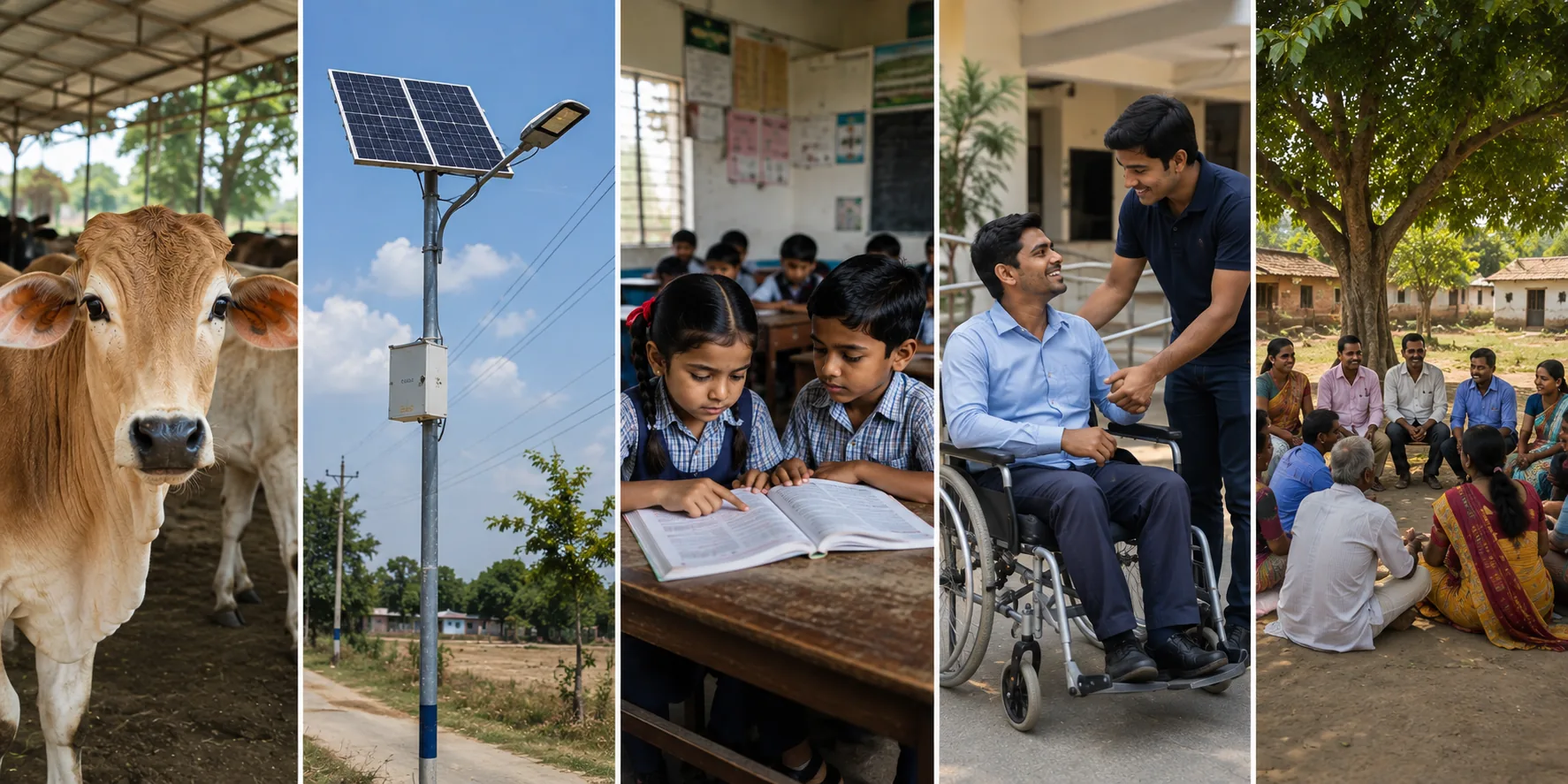
A programme can distribute resources and still fail to create lasting value. Our approach therefore asks three questions: Was the intervention delivered as intended? Did it improve the situation on the ground? Can the benefit continue beyond the immediate activity?
Each programme has its own logic of change; we do not force every initiative into the same metric.
Our Gaushala work centres on shelter, feed, veterinary attention and the daily systems required to care for 4,700+ cattle.
4,000+ cows • 500+ bulls • 200+ calves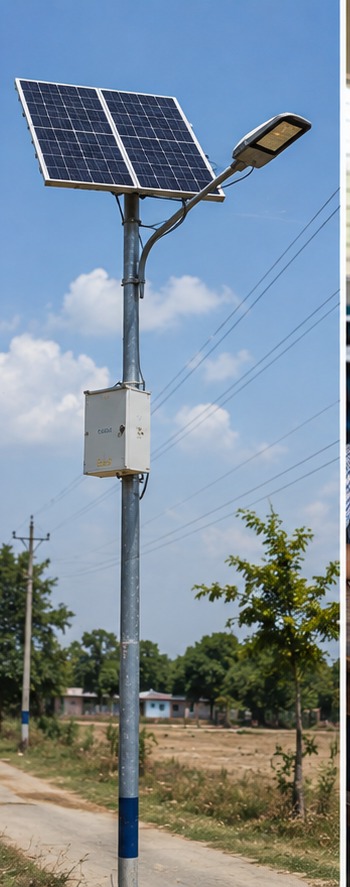
Through sustainability initiatives and SEED, we create space for dialogue around clean energy, climate, water, biodiversity and environmental responsibility.
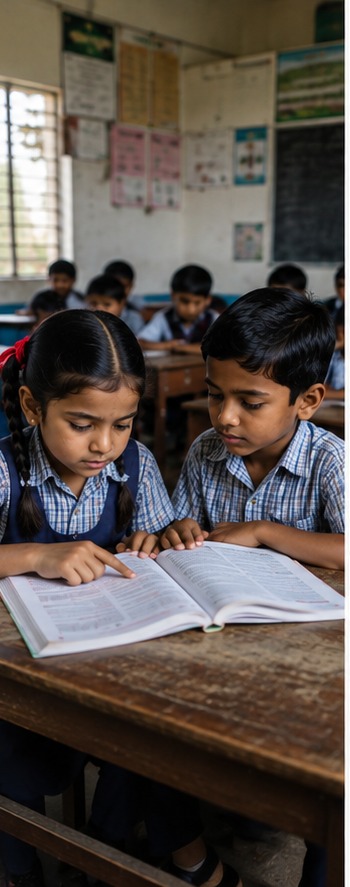
Education and skill interventions are designed to strengthen learning, livelihood readiness and participation, particularly for underserved communities and women.
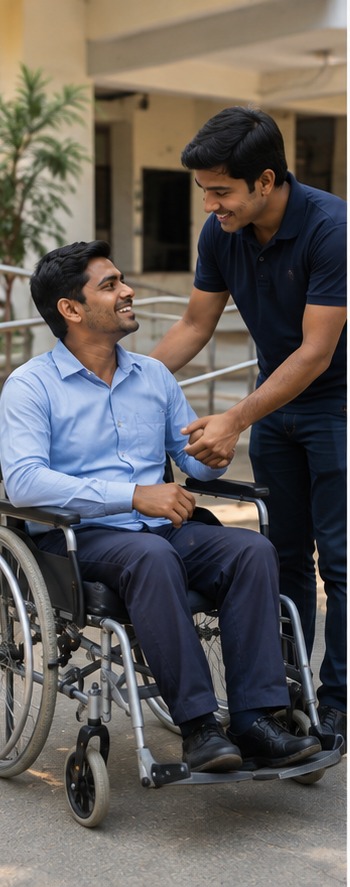
Support for specially challenged individuals and community development initiatives focus on mobility, inclusion, local capacity and access to essential support.
For institutional programmes, measurement begins before implementation and continues through programme close-out.
Define the problem, target group and operating context.
Set activities, outputs, responsibilities and indicators.
Deliver through field teams and programme partners.
Track progress, utilisation and implementation quality.
Capture records, photographs, beneficiary evidence and milestones.
Assess outcomes, gaps, learning and next-stage action.
As our documentation library grows, this section will host verified case studies from the field.
Future case study: attendance, learning support and progression.
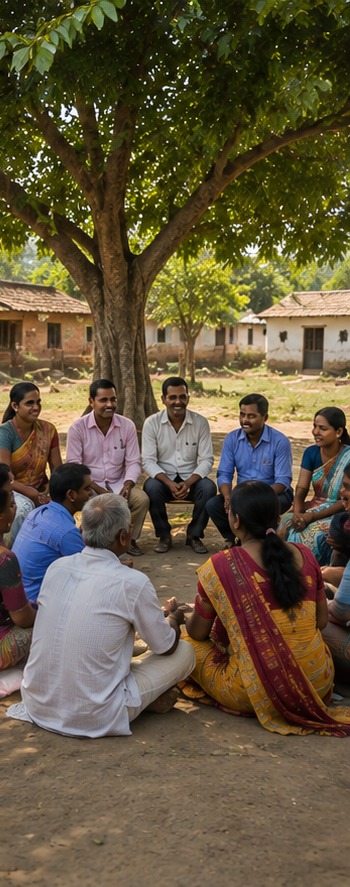
Future case study: community participation, delivery and sustained use.
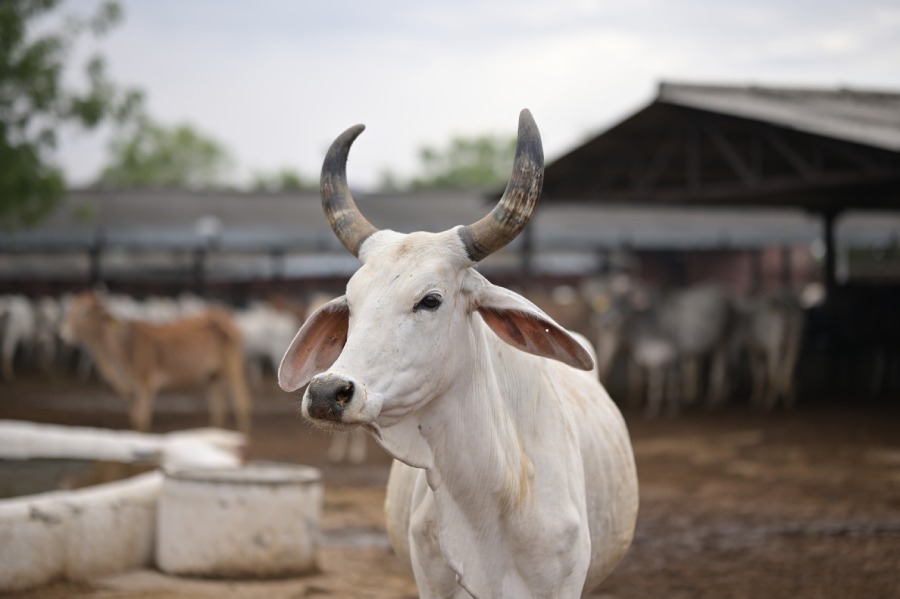
Future case study: rescue, recovery, nutrition and continued shelter.
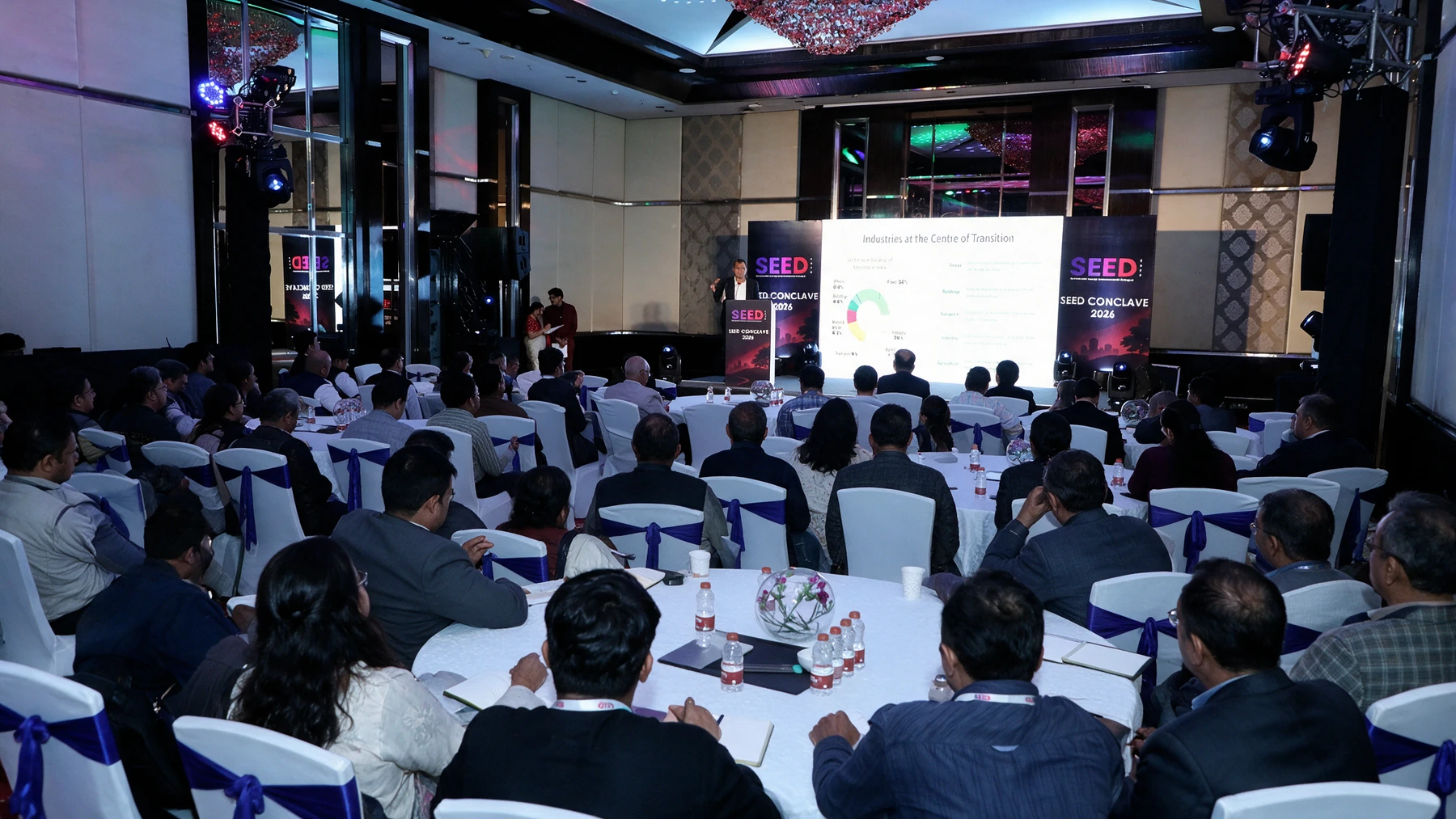
Independent online publications covered SEED Conclave 2026 and its focus on bringing industry, policy, sustainability and clean-energy stakeholders together around India’s net-zero transition.
 Press Coverage
Coverage highlighting the conclave’s net-zero focus, public-sector participation and cross-sector sustainability dialogue.
Read coverage ↗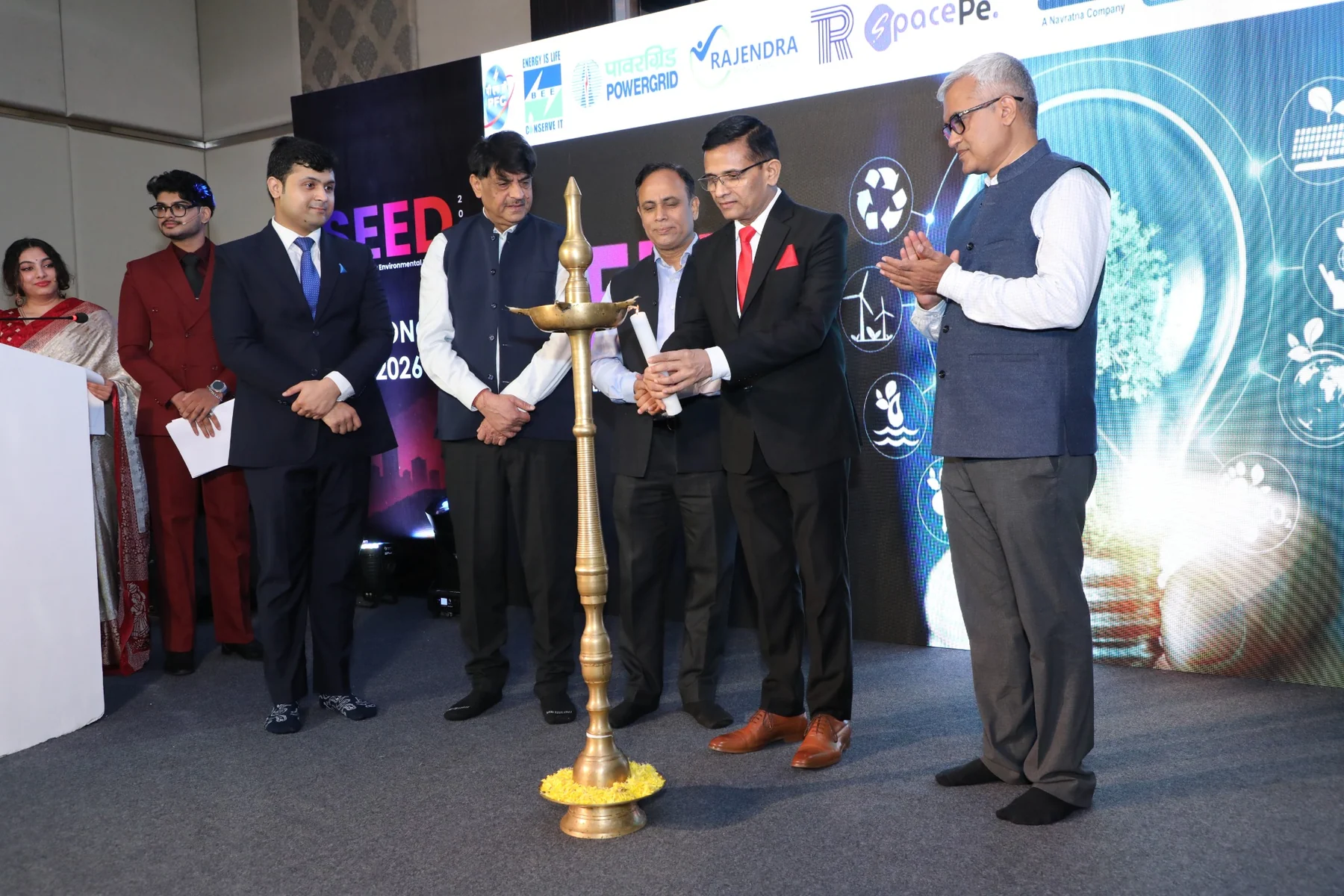 Online Media
Coverage of the speakers, institutional participation and themes discussed at SEED Conclave 2026.
Read coverage ↗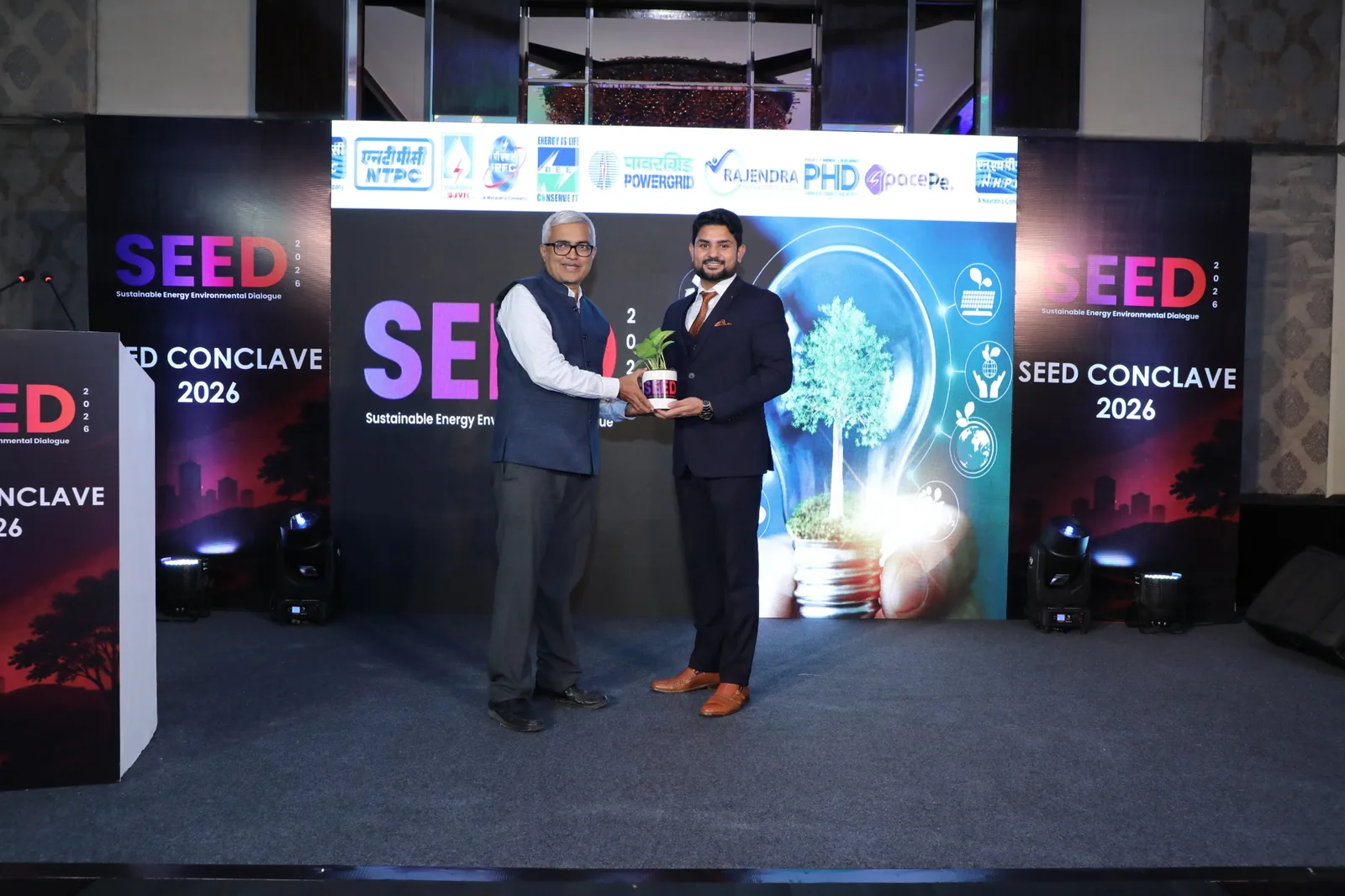 Business Media
Business-media coverage of the conclave’s discussions on green finance, renewable energy, climate resilience and collaboration.
Read coverage ↗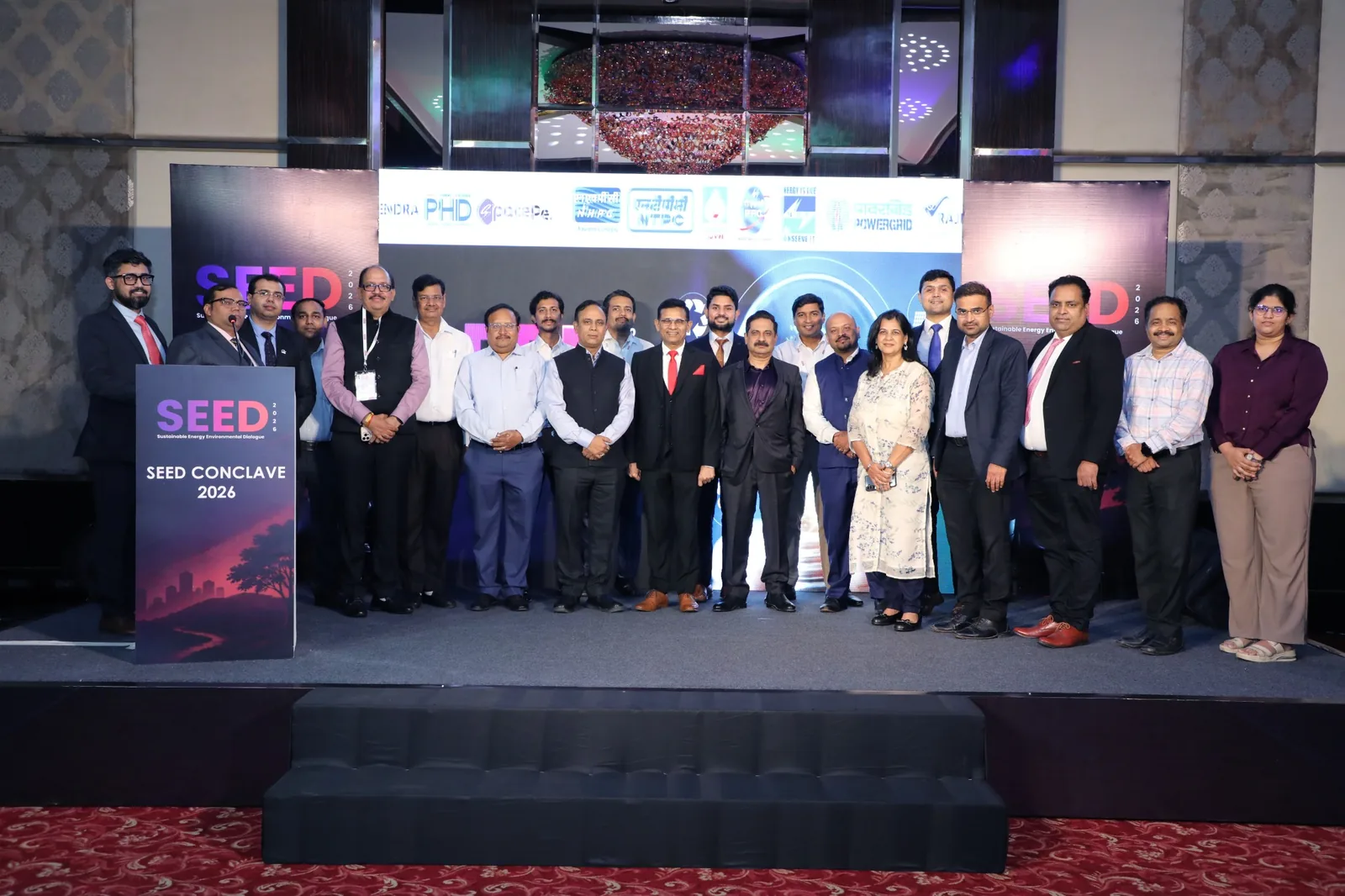 National Media
Coverage of the Mumbai conclave, its public-sector support and discussions spanning green finance, renewable energy, climate resilience and collaborative action.
Read coverage ↗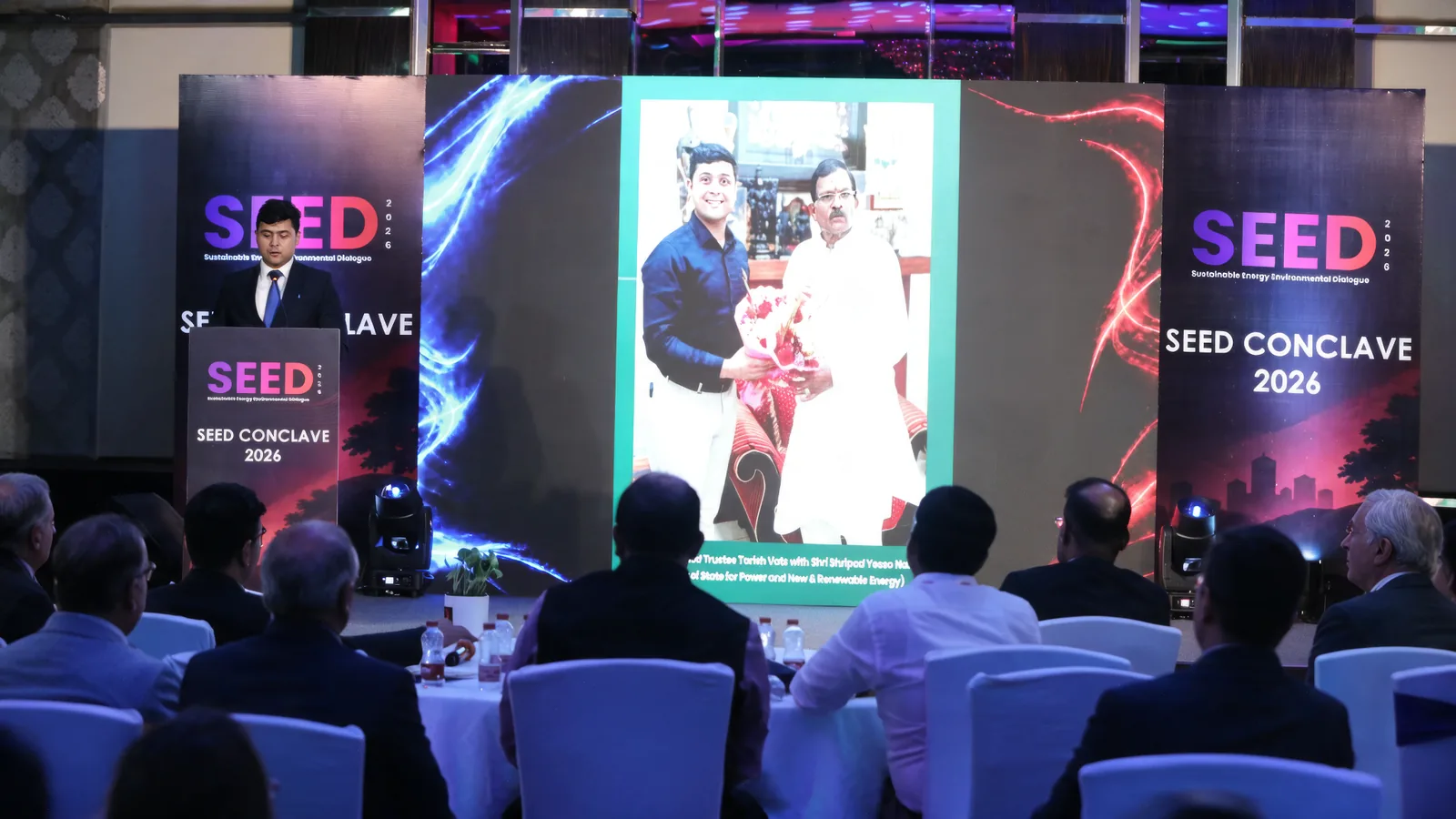 ePaper Coverage
View the published e-paper clipping covering SEED Conclave 2026 and its sustainability-focused engagement in Mumbai.
View ePaper clipping ↗Partner with us on a structured programme or support an existing area of work.